
Find Moore County Warrant Records
Moore County Warrant Records can help you locate an active warrant, confirm whether a case moved into court, or find the office that keeps the paper trail in Lynchburg. The sheriff, the Circuit Court Clerk, and the General Sessions Court each hold a different part of that trail, and the county and state sources do not always use the same courthouse label. A focused search starts with the newest fact you know and follows the office most likely to have handled the record first. That keeps the search practical and gives you a faster path to the right Moore County Warrant Records.
Moore County Quick Facts
Moore County Warrant Records Search Basics
Start with the office that matches the stage of the case. If the matter is fresh, the sheriff is the best first stop. If you are trying to match a docket, a capias, or a missed appearance, the clerk or the court is usually more useful. That simple split matters in Moore County because the Tennessee court directory places the county's circuit, criminal, and chancery courts at 196 Main Street in Lynchburg, while local research places the Circuit Court Clerk and the General Sessions Court at 16 Courthouse Sq.
Moore County Warrant Records are easier to track when you bring clean facts. A full legal name is the core key. A date of birth cuts down false matches. A case number, citation number, or rough date gives the office a better starting point. If you are not sure which desk has the file, start with the sheriff for status, then move to the clerk for the paper copy, and then to the court if you need hearing movement or docket context.
One useful local clue is that the state and county references are split between Main Street and Courthouse Square. That does not make the search harder, but it does mean you should verify which desk you need before you drive over. The county seat is small enough that the offices are close, yet the difference still matters when you are trying to pull the correct Moore County Warrant Records on the first try.
- Full legal name
- Date of birth if known
- Case number, citation number, or hearing clue
- Approximate date of the warrant or booking
The simplest rule is to match the office to the record stage. Status from the sheriff. Filed paper from the clerk. Hearing or docket movement from the court. That sequence keeps Moore County Warrant Records searches tight and avoids a lot of unnecessary back and forth.
Moore County Warrant Records and the Sheriff
The Moore County Sheriff's Office is the main local contact when you need to know whether a warrant is active, served, or tied to a recent booking. The Tennessee Department of Safety's Safe Store page lists the office at 58 Elm St S, Lynchburg, TN, and the TBI contact list shows the sheriff department phone as 931-759-7323. That makes the sheriff the most direct place to check current enforcement status before you move on to the court file.
Moore County Warrant Records can move quickly from paper to custody, so a phone call may tell you more than a broad web search. The sheriff is the status office. If a warrant has already been served, the office may be able to tell you whether the matter is now in custody, whether a booking happened, or whether you need to check the clerk for the next paper step. If the case is very recent, the sheriff may be the only office with the newest answer.
The county does not appear to offer a public live warrant database, so the practical route is still a direct call or in-person visit. That is normal for a county of this size. It also means the strongest search starts with the office that actually handles active service, not a third-party summary page.
When you contact the sheriff, ask only for the status you need first. If you lead with the right name and date of birth, the office can usually tell you whether the matter is still active. That is the fastest way to turn a general Moore County Warrant Records question into something the office can answer without extra searching.
Moore County Warrant Records in the Court File
The court file is where Moore County Warrant Records become easier to verify. Tennessee Courts lists Linda Wolaver, Circuit Court Clerk, at 196 Main Street in Lynchburg with the circuit court clerk phone number, and the county clerk list also places the clerk office at the courthouse in Lynchburg. That statewide directory is the cleanest official anchor for circuit court records and for the county's circuit, criminal, and chancery court location.
Local research places the General Sessions Court at 16 Courthouse Sq, Lynchburg, TN 37352, with a direct number of (931) 759-7678. That office matters because general sessions is where many warrant questions begin, especially if a missed appearance, a misdemeanor matter, or a capias created the paper trail. In practice, the court file tells you whether the case was filed, continued, reset, or resolved.
Moore County Warrant Records often split between the clerk and the court. The clerk usually has the filed docket and the copyable record. The court can explain the hearing side of the case. If the sheriff tells you the matter is no longer active, the clerk and the court are where you find out what happened next. That is especially important when the warrant comes from a missed appearance rather than a new arrest event.
If you are visiting in person, confirm the desk before you go. The Tennessee court directory uses Main Street, while the local court research uses Courthouse Square for general sessions. That split is not unusual in a county courthouse setting, but it is worth verifying so you do not end up at the wrong entrance with a narrow window to get the record.
Moore County Warrant Records and Public Access
Tennessee public records law shapes access to Moore County Warrant Records. Under T.C.A. § 10-7-503, public records are generally open during business hours unless another law says otherwise. That gives you the right to ask for a warrant, a docket, or a clerk file. It does not force immediate release, so a county office may still need time to review the request and separate the public parts from the protected parts.
Some records are limited by T.C.A. § 10-7-504. Active investigative files, juvenile material, and other protected records can be withheld or partly redacted. That means one office may confirm the existence of a warrant while another office keeps pieces of the file back until review is complete. Moore County Warrant Records can still be public even when the full file is not handed over in one step.
If you need help wording a request, the Tennessee Office of Open Records Counsel at comptroller.tn.gov/office-functions/open-records-counsel.html explains what a county office can do and how public records requests are usually handled. It is not a records warehouse, but it is a reliable guide when you want the request to be specific enough to avoid delay. For Moore County, that often means naming the person, the approximate date, and the type of record you want.
A response can still come back with redactions or only partial details. That usually means the office reviewed the file before release, which is normal for warrant material. When that happens, the next step is often to ask the clerk whether there is a cleaner docket copy or a better hearing record.
Moore County Warrant Records and Tennessee Courts
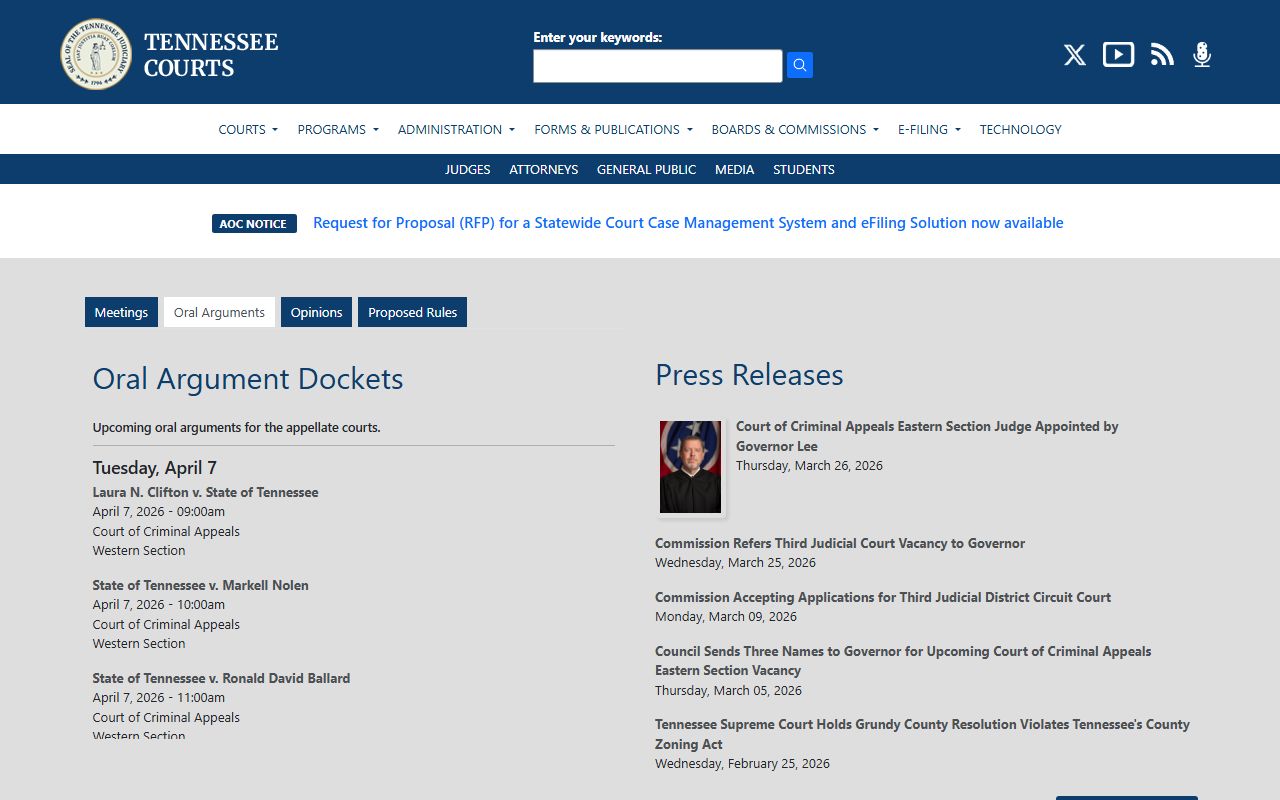
The Tennessee court directory is useful because it gives you a statewide anchor for Moore County Warrant Records. The Moore County court page at tncourts.gov/node/9782376 lists the county at 196 Main Street in Lynchburg and identifies the jurisdiction as Circuit, Criminal, and Chancery Courts. That matters when you are trying to understand whether the paper trail lives in the clerk's office, the court, or both.
That same court-system frame helps explain why a warrant search can feel split across offices. A judge may issue the order, the clerk may file the paper, and the sheriff may serve it. Once the case starts moving, the live status can change faster than the file copy. Moore County Warrant Records are easier to read when you treat each office as part of one chain instead of expecting any one office to have the whole story.
If the matter has become older or if the county office no longer has the clean copy you need, the Tennessee State Library and Archives at sos.tn.gov/tsla is a better backup than a random third-party site. The archive does not replace the county file, but it can help when a docket has aged out of the most convenient local source. That is often the cleanest next step for older Moore County Warrant Records.
Use the state tools as a map, not as a substitute for the local record. The court directory tells you where the record should live. The local office tells you what is available right now. Together they make Moore County Warrant Records much easier to verify.
Moore County Warrant Records Copies and Next Steps
If you need a copy, ask what kind of copy you are actually being offered before you go further. A plain copy, a certified copy, and a docket printout are not the same thing. If you only need status or a hearing clue, a certified copy may be more than you need. If the clerk has both the case docket and the underlying filing, ask which one is the cleanest source for your purpose.
The best next step is usually the office closest to the stage of the case. Sheriff for active matters. Clerk for filed cases. Court for hearing questions. That sequence keeps Moore County Warrant Records searches efficient and reduces the chance that you will be sent from one desk to another without a clear answer.
When you make the request, be ready to give the office enough detail to narrow the file quickly. The more specific the request, the less time the staff has to spend sorting through similar names or unrelated dockets. If you are unsure where the paper lives, start with the sheriff and ask which office should handle the next step.
That approach usually gets you to the right Moore County Warrant Records faster than a broad search does.
- Ask whether the warrant is active, served, or recalled
- Confirm whether the clerk has the filed docket
- Check whether general sessions has a hearing note
- Ask what copy type is available before you pay for one
More Moore County Warrant Records Help
If you need to keep going, use the sheriff office, the court directory, and the open-records guidance together. The sheriff handles current status. The clerk handles filed records. The court handles hearings and docket movement. The Tennessee court system directory and the State Library and Archives help when the trail gets older or when you need a statewide reference point instead of a broad web search. That mix of local and state sources gives you a cleaner Moore County Warrant Records trail than a third-party listing ever will.
Keep these official links close: Safe Store Tennessee, TBI Contact, Moore County courts, Circuit Court Clerk, Open Records Counsel, State Library and Archives, and tncourts.gov.
That order usually gets you to the right Moore County Warrant Records faster than a broad search does.